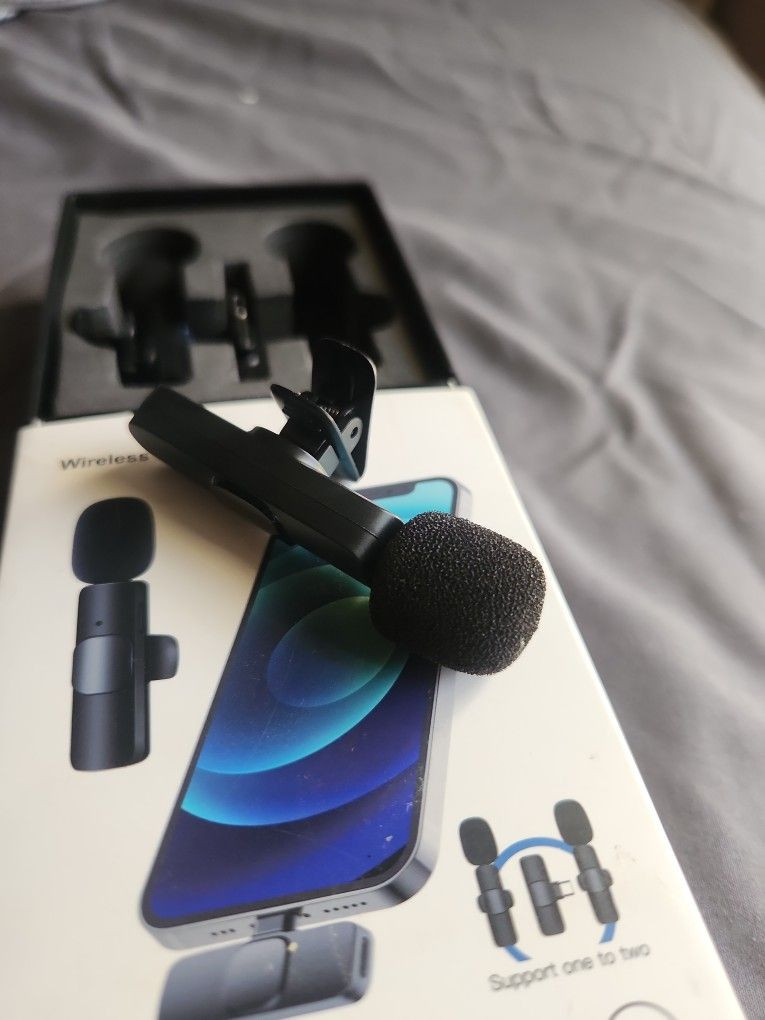

Wireless Lavalier Microphone K9---K9 | Wireless | Lavalier Microphone | Clip-On Design | Hands-Free | Mobile & Video Recording | Portable Use
SKU:
#5830
In stock
Ready for Dispatch
Share
Top Selling Products
-
 Rf 100.00
 -
Rf 484.00
Optimizing product description height...
Reviews & Ratings
0
out of 5.0
(0
reviews)
There have been no reviews for this product yet.
Related products
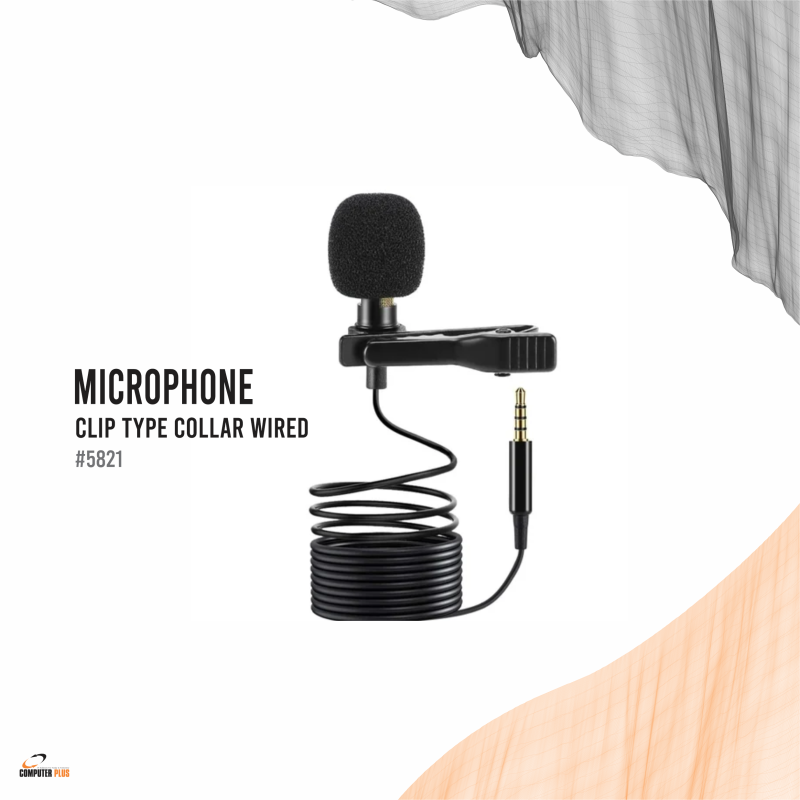
MICROPHONE
Rf 117.16

JBL WIRELESS MICROPHONE
Rf 2,650.00

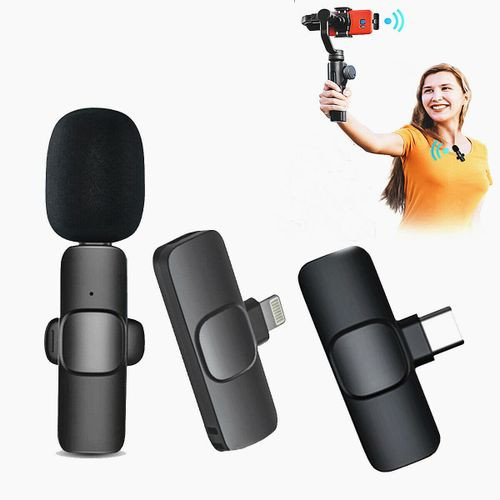

REMAX KARAOKE MIC K-05
Rf 505.00

SALPIDO DWM-03
Rf 975.00
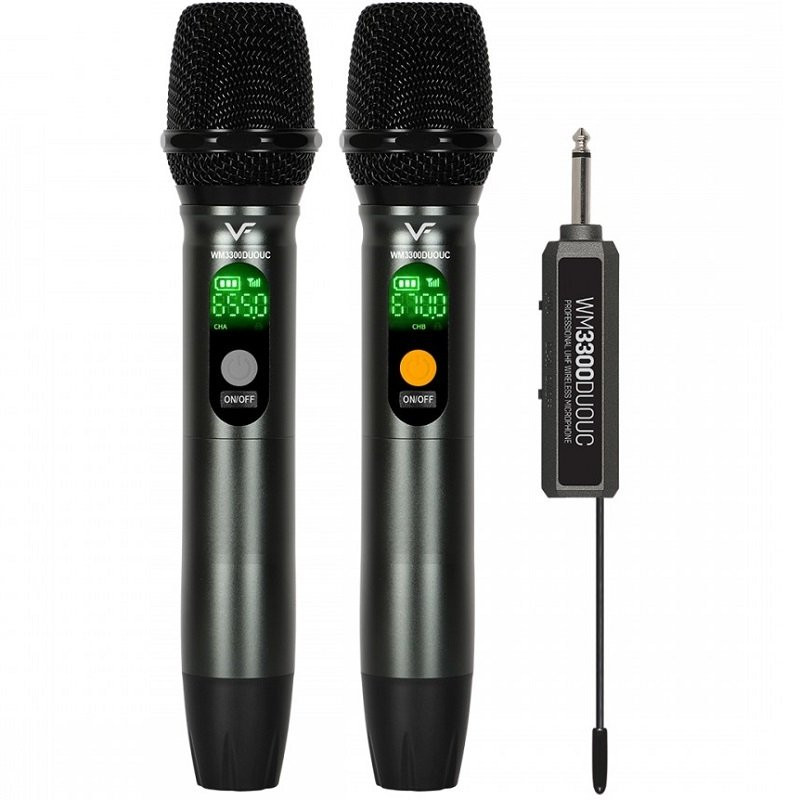
VINNFIER WM 3300 DUOC-PRO
Rf 1,580.00

BOYA BY-MM1 G1-12C
Rf 1,199.99
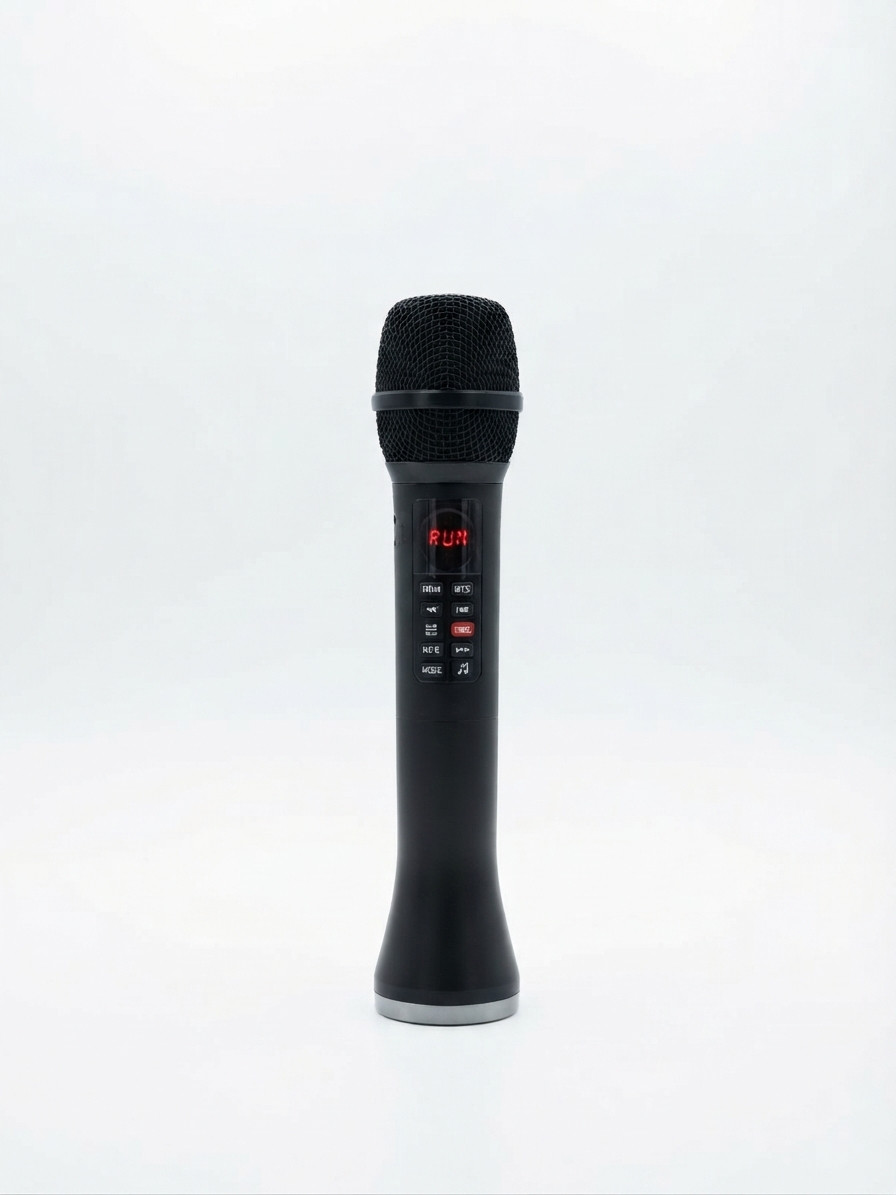
INTELLIGENT WIRELESS MICROPHONE L-699 KARAOKE
Rf 1,474.99
Top Selling Products
-
Rf 100.00
-
Rf 484.00
Computer Plus
If you have any questions, please get in touch with us at
sales@computerplus.com.mv

Learn more about our story and the hard-working
people behind the pink envelope.